


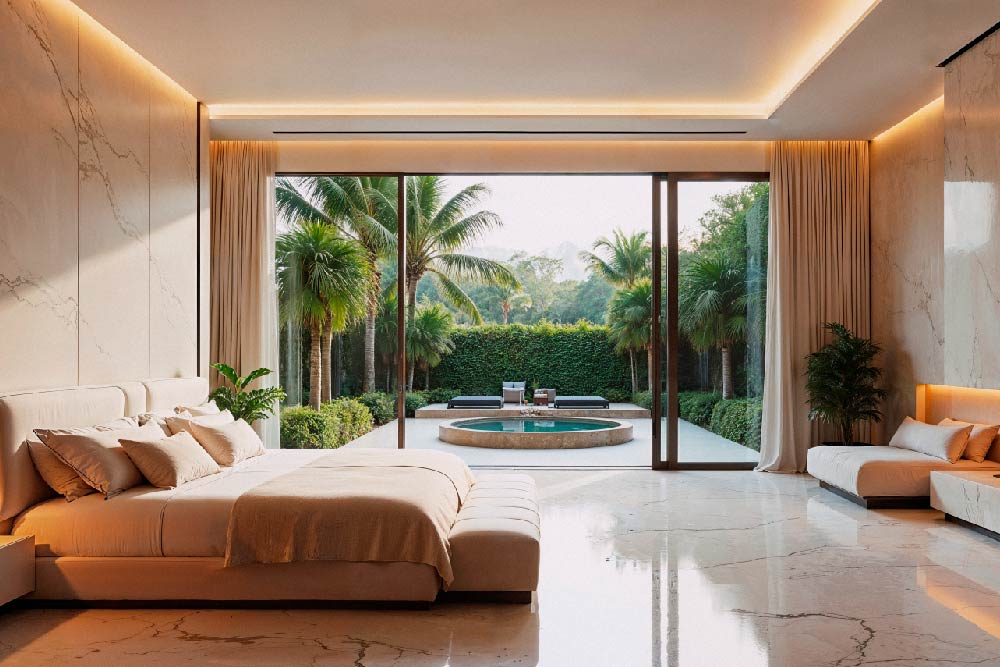
India’s high-end housing market is entering a more sophisticated phase, where both luxury residences and branded residences are being evaluated beyond location and size. Buyers are increasingly weighing service quality, asset longevity and global alignment as part of their decision-making. This evolution is most visible in the rise of branded residences, where international hospitality and lifestyle brands are reshaping the expectations around residential ownership.
India now ranks sixth globally in live branded residence projects, contributing nearly 4 percent to global supply, underscoring how quickly this segment is scaling. For Indian HNIs and UHNIs, the choice between a luxury residence and a branded residence is no longer about prestige alone, but about structure, performance and long-term value. Understanding what truly separates these two formats is essential before making a strategic residential investment decision. (The Economic Times)
What Defines a Luxury Residence in India
Luxury residences represent the traditional pinnacle of residential real estate. These homes are typically defined by location, scale, finishes and amenities, rather than an external brand association.
Key characteristics include:
Luxury residences offer comfort, privacy and prestige, especially when delivered by reputed developers. However, the experience, service quality and upkeep often depend on the developer’s long-term commitment. This variability is what sets the stage for the branded residential model.
What Makes a Branded Residence Distinct
Branded residences are residential developments affiliated with globally recognised hospitality or lifestyle brands. These could include luxury hotel operators, fashion houses or premium lifestyle brands that bring defined service and design standards into residential living.
Key differentiators include:
According to Knight Frank, branded residences even command a 30 to 35 percent premium over comparable non-branded luxury homes, driven by service integration, design quality and long-term maintenance discipline. (Business Standard)
Now that the definitions are clear, the next question is how these differences translate into everyday ownership.
Living Experience: Lifestyle vs Service Ecosystem
The lived experience is where the distinction becomes most tangible. In luxury residences, lifestyle amenities enhance daily living, but service delivery often remains limited or outsourced. In contrast, branded residences operate as integrated service ecosystems.
Key contrasts include:
For buyers who value predictability and global living standards, branded residences offer a more structured and dependable experience. This naturally leads to differences in investment behaviour as well.
Investment Performance and Value Retention
From an investment standpoint, the difference is clearer. Luxury residences generally track location-led appreciation and perform well in mature micro-markets, but resale outcomes and rental consistency often depend on how well a project is maintained over time.
Branded residences, by contrast, tend to show stronger resilience. Their structured management, consistent service standards, and global brand association help preserve asset quality and pricing integrity across market cycles. This combination of governance and brand discipline often allows branded residences to outperform conventional luxury homes, especially during market corrections. This performance advantage also links closely to leasing dynamics.
Pre-Leased Demand and Rental Depth
Pre-leased and rental-ready assets are increasingly important for HNIs seeking income visibility alongside capital appreciation. In luxury residences, leasing demand is often fragmented and depends on location and unit configuration. Branded residences, however, attract structured leasing demand.
Key leasing advantages include:
This makes branded residences particularly attractive for investors prioritising predictable cash flows, especially in global-facing cities such as Mumbai, Delhi NCR, Bengaluru and emerging branded hubs in Pune. As the comparison sharpens, the final decision often comes down to buyer intent.
Choosing What Aligns With Your Investment Strategy
The choice between branded and luxury residences is not about superiority, but alignment. Luxury residences suit buyers who prioritise customisation, privacy and capital appreciation within familiar domestic markets. Branded residences appeal to those who value global standards, operational certainty and asset longevity. The key is matching the product to your lifestyle goals, liquidity horizon and portfolio strategy.
At SQUAREA, we offer curated access to India’s most refined properties, spanning both luxury and branded residential formats. For tailored investment guidance and strategic property selection, reach out at hello@squarea.io or call +91 90 9641 9641.
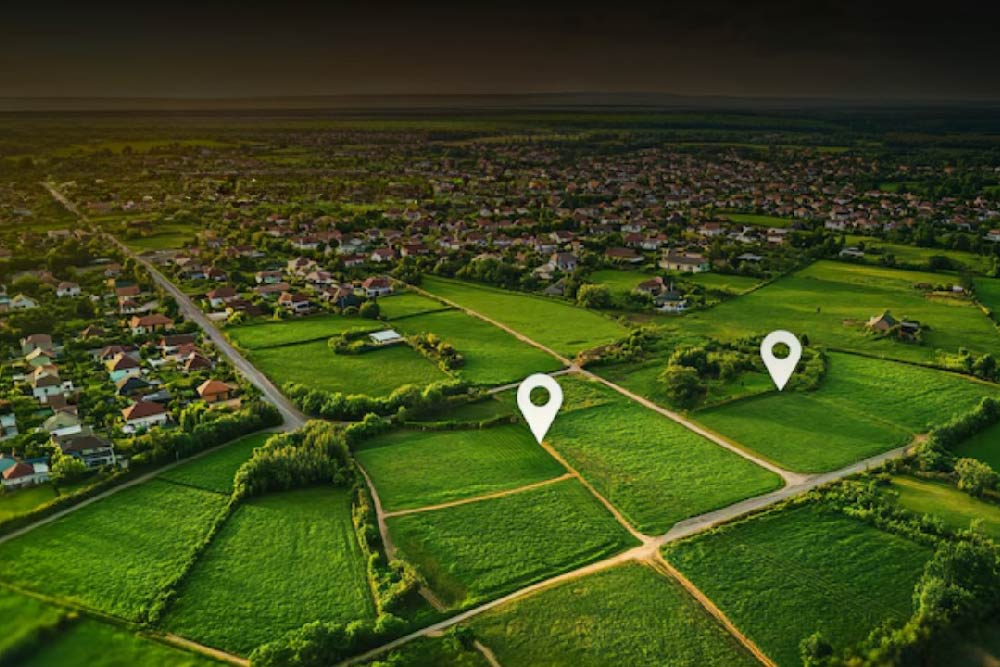
In recent years, plotted developments have re-entered investment conversations across India. While apartments and integrated townships dominated urban expansion for over a decade, discerning investors are increasingly revisiting land-led formats. The appeal is not merely lifestyle-driven - it is structural. Direct land ownership, lower density, capital appreciation orientation, and flexibility in development timelines are making plotted communities a strategic allocation within high-value portfolios.
For HNIs and UHNIs, plotted development is no longer viewed as fragmented land buying. It is emerging as a regulated, infrastructure-backed, developer-led format that blends land ownership with planned community living.
To understand its investment relevance, let’s first clarify what plotted development represents in today’s regulatory and market framework.
What Is a Plotted Development?A plotted development refers to a large land parcel acquired and legally structured by a developer, subdivided into individual plots with pre-approved layouts and essential infrastructure. Plotted developments typically include:
It shifts the asset from speculative land banking to structured investment-grade positioning. While structurally simple, plotted developments offer a fundamentally different return profile compared to conventional residential apartments.
How Plotted Developments Differ from Traditional Residential AssetsThe divergence lies in ownership structure, appreciation dynamics, and long-term supply characteristics.
| Parameter | Plotted Development | Traditional Apartments / Villas |
|---|---|---|
| Appreciation Driver | Primarily land-led appreciation with a minimal depreciation component | Value is partially tied to the building structure, which depreciates over time |
| Ownership Structure | Direct and clearly defined land title | Undivided share in land with super built-up allocation |
| Construction Flexibility | Owner may build immediately, defer construction, or hold for capital growth | Construction is pre-completed; no flexibility in structural timing |
| Supply Dynamics | Low-density format with finite horizontal expansion | High-density vertical supply can expand through new launches |
| Investment Profile | Capital preservation and long-term land appreciation-oriented | A combination of lifestyle consumption and moderate capital growth |
These structural distinctions position plotted developments closer to long-term capital preservation assets rather than yield-focused residential products. Which explains why HNIs are increasingly allocating strategic attention to plotted communities.
Why HNIs Are Increasingly Considering Plotted DevelopmentsAmong high-net-worth families, plotted developments are being evaluated as strategic land exposure. Here’s why:
In an environment where built inventory cycles fluctuate, land-backed formats offer a different risk-return alignment. However, plotted development requires disciplined evaluation before capital allocation.
Key Factors to Evaluate Before Investing in Plotted DevelopmentsFor investors, due diligence remains paramount. The following elements require careful assessment:
When structured correctly, plotted developments can function as strategic land banking vehicles. While this asset class is nationally relevant, its performance varies significantly by city and growth corridor. This is where Pune presents a compelling case.
Why Pune Is Emerging as a Plotted Development HotspotPune’s expansion trajectory has created ideal conditions for organised, plotted communities.
Plotted developments offer a structured form of direct land ownership within planned, infrastructure-backed communities. For HNIs and UHNIs seeking long-term capital appreciation and wealth preservation, this asset class can serve as a strategic addition within a diversified real estate portfolio.
In growth corridors such as Pune, where infrastructure expansion continues to reshape urban boundaries, plotted communities are moving beyond peripheral alternatives to become well-positioned investment opportunities.
At SQUAREA, we offer curated access to Pune’s most strategically positioned plotted and residential developments aligned with long-term infrastructure growth. For tailored investment guidance, reach out at hello@squarea.io or call +91 90 9641 9641.