


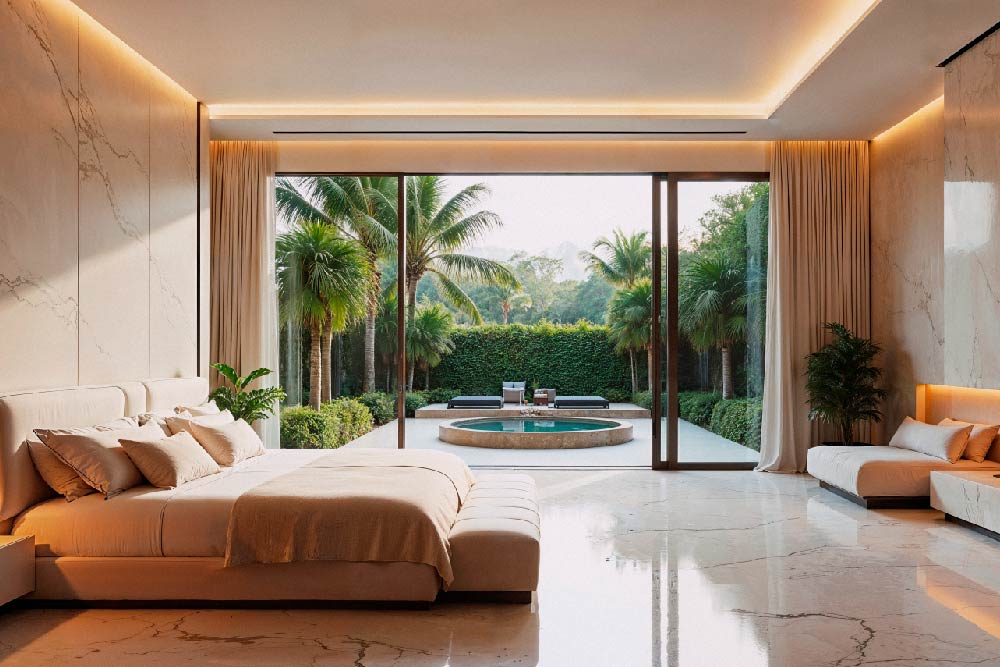
Branded vs Luxury Residences: What Indian Buyers Prefer

    Branded Residences vs Luxury Residences: What Sets Them Apart for Indian Buyers

    By SQUAREA Knowledge Hub

    Published: January 22, 2026

    India’s high-end housing market is entering a more sophisticated phase, where both luxury residences and branded residences are being evaluated beyond location and size. Buyers are increasingly weighing service quality, asset longevity and global alignment as part of their decision-making. This evolution is most visible in the rise of branded residences, where international hospitality and lifestyle brands are reshaping the expectations around residential ownership. 

    India now ranks sixth globally in live branded residence projects, contributing nearly 4 percent to global supply, underscoring how quickly this segment is scaling. For Indian HNIs and UHNIs, the choice between a luxury residence and a branded residence is no longer about prestige alone, but about structure, performance and long-term value. Understanding what truly separates these two formats is essential before making a strategic residential investment decision. (The Economic Times)  

    What Defines a Luxury Residence in India 

    Luxury residences represent the traditional pinnacle of residential real estate. These homes are typically defined by location, scale, finishes and amenities, rather than an external brand association. 

    Key characteristics include: 

    • Prime locations within established city neighbourhoods 
    • Spacious layouts with high-end materials and custom interiors 
    • Lifestyle amenities such as clubhouses, landscaped gardens, pools and concierge desks 
    • Developer-led design and property management systems 

    Luxury residences offer comfort, privacy and prestige, especially when delivered by reputed developers. However, the experience, service quality and upkeep often depend on the developer’s long-term commitment. This variability is what sets the stage for the branded residential model. 

    What Makes a Branded Residence Distinct 

    Branded residences are residential developments affiliated with globally recognised hospitality or lifestyle brands. These could include luxury hotel operators, fashion houses or premium lifestyle brands that bring defined service and design standards into residential living.  

    Key differentiators include: 

    • Brand-led design guidelines ensuring consistency and global standards 
    • Hotel-style services such as housekeeping, concierge, valet and wellness access 
    • Professionally managed operations with brand oversight 
    • Stronger global appeal among NRIs and international buyers 

    According to Knight Frank, branded residences even command a 30 to 35 percent premium over comparable non-branded luxury homes, driven by service integration, design quality and long-term maintenance discipline. (Business Standard)  

    Now that the definitions are clear, the next question is how these differences translate into everyday ownership. 

    Living Experience: Lifestyle vs Service Ecosystem 

    The lived experience is where the distinction becomes most tangible. In luxury residences, lifestyle amenities enhance daily living, but service delivery often remains limited or outsourced. In contrast, branded residences operate as integrated service ecosystems. 

    Key contrasts include: 

    • Service consistency delivered by brand-managed teams 
    • Maintenance quality aligned with international benchmarks 
    • Resident experience driven by hospitality standards 
    • Privacy preserved alongside professional service 

    For buyers who value predictability and global living standards, branded residences offer a more structured and dependable experience. This naturally leads to differences in investment behaviour as well. 

    Investment Performance and Value Retention 

    From an investment standpoint, the difference is clearer. Luxury residences generally track location-led appreciation and perform well in mature micro-markets, but resale outcomes and rental consistency often depend on how well a project is maintained over time. 

    Branded residences, by contrast, tend to show stronger resilience. Their structured management, consistent service standards, and global brand association help preserve asset quality and pricing integrity across market cycles. This combination of governance and brand discipline often allows branded residences to outperform conventional luxury homes, especially during market corrections. This performance advantage also links closely to leasing dynamics. 

    Pre-Leased Demand and Rental Depth 

    Pre-leased and rental-ready assets are increasingly important for HNIs seeking income visibility alongside capital appreciation. In luxury residences, leasing demand is often fragmented and depends on location and unit configuration. Branded residences, however, attract structured leasing demand. 

    Key leasing advantages include: 

    • Corporate leasing from multinational firms and diplomatic missions 
    • Higher rental premiums justified by service inclusion 
    • Faster tenant absorption due to brand recognition 
    • Longer lease tenures and lower vacancy risk 

    This makes branded residences particularly attractive for investors prioritising predictable cash flows, especially in global-facing cities such as Mumbai, Delhi NCR, Bengaluru and emerging branded hubs in Pune. As the comparison sharpens, the final decision often comes down to buyer intent. 

    Choosing What Aligns With Your Investment Strategy 

    The choice between branded and luxury residences is not about superiority, but alignment. Luxury residences suit buyers who prioritise customisation, privacy and capital appreciation within familiar domestic markets. Branded residences appeal to those who value global standards, operational certainty and asset longevity. The key is matching the product to your lifestyle goals, liquidity horizon and portfolio strategy. 

    At SQUAREA, we offer curated access to India’s most refined properties, spanning both luxury and branded residential formats. For tailored investment guidance and strategic property selection, reach out at hello@squarea.io or call +91 90 9641 9641. 

    Other Stories

    8 February 2026
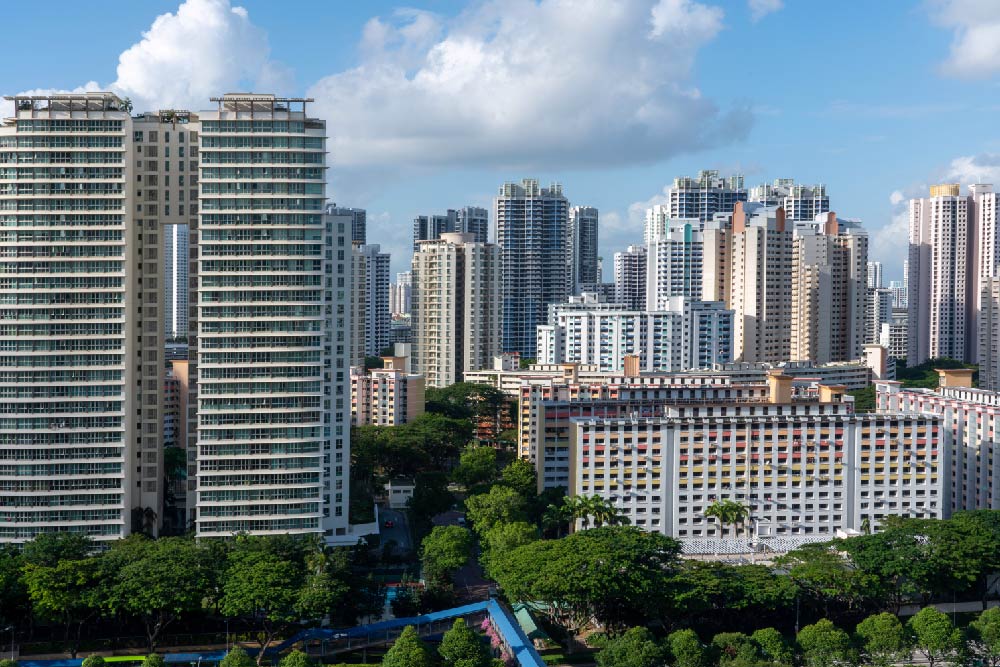
    How Infrastructure Shapes the Future of India’s Luxury Housing Market
    Infrastructure expansion bears an immense effect on India’s luxury housing market growth. From metro lines and ring roads to airports and digital governance, public investment is influencing premium residential demand with sharp precision. Nearly ₹17.5 lakh crore is expected to flow into roads, energy and real estate over the next two fiscal years, setting the stage for long-term value creation. (Economic Times)  For HNIs and UHNIs, understanding how infrastructure drives appreciation is crucial, as it increasingly determines which micro-markets scale faster, stay resilient and deliver stronger liquidity.  Why Infrastructure Is One of the Strongest Drivers of Luxury Appreciation  Infrastructure fundamentally alters how affluent buyers evaluate residential assets. 
    • Mobility upgrades: Metro lines, highways, and expressways reduce commute times and expand viable luxury corridors. 
    • Economic corridors: IT hubs, financial districts and industrial clusters bring senior professionals, lifting premium housing demand. 
    • Lifestyle ecosystem: Better schools, hospitals and retail strengthen neighbourhood desirability. 
    These structural drivers explain why infrastructure-led pockets consistently outperform traditional residential zones, and with this foundation set, the next step is examining the national impact of India’s broader infrastructure push.  Infrastructure Investment And Its Impact on High-End Micro-Markets  India’s ongoing infrastructure push has created clear appreciation hotspots in the luxury segment. ANAROCK data shows that major micro-markets in NCR, Bengaluru and Hyderabad have risen 24 to 139 percent since 2021, driven by new mobility networks and expanding job corridors. (Economic Times) And homes within metro influence zones have appreciated 10 to 25 percent annually, translating to compounded gains of 25 to 80 percent in just three years.   ICRA Research also highlights that India’s most resilient residential markets today are those anchored by strong infrastructure upgrades. (Times Of India) As these trends take shape, the next focus is on how infrastructure directly influences luxury product planning and development strategy.  How Infrastructure Influences Luxury Design, Planning And Product Strategy  Developers now treat infrastructure as a primary design driver rather than a secondary consideration. 
    • Corridor-linked masterplans: New luxury projects cluster around expressways, metro stations and airport zones. 
    • Amenity evolution: Walkable layouts, wellness spaces, co-working lounges and hotel-style services are becoming standard. 
    • Growth of branded residences: International operators prefer locations with strong mobility and lifestyle access. 
    • Value uplift: Better connectivity supports premium architecture, lower-density planning and higher service integration. 
    As these design priorities shift, it becomes clearer why HNIs increasingly favour neighbourhoods shaped by strong infrastructure.  Why HNIs And Global Families Gravitate Toward Infrastructure-Rich Luxury Zones  For affluent buyers, infrastructure-backed locations offer both lifestyle comfort and durable asset performance. 
    • Reduced commute time: CXOs, NRIs and global professionals prioritise seamless mobility. 
    • Access to top institutions: Proximity to leading schools, hospitals and lifestyle districts strengthens desirability. 
    • Neighbourhood reliability: Better governance, safety and public services enhance long-term liveability. 
    • Rental depth: Strong demand from expats and multinational talent ensures steady yields. 
    • Superior liquidity: Well-connected luxury assets retain stronger resale traction over time. 
    These preferences shape buying patterns across major metros, and one city where this relationship is especially evident is Pune.  Pune’s Infrastructure-Led Rise In The Luxury Market  Pune offers one of the strongest examples of how connectivity upgrades can elevate premium residential value. The 172 km Ring Road is reshaping traffic patterns and opening new development corridors, while the expanding Metro network is strengthening rental absorption across prime neighbourhoods. For buyers planning to buy luxury flat in Kharadi Pune, these factors create a clear and sustained appreciation path.  Areas such as Koregaon Park, Kalyani Nagar, Viman Nagar and Baner have also seen marked appreciation as IT growth, airport access and urban mobility converge. The rise of branded living formats has further boosted demand for every Pune branded residence for sale, drawing interest from NRIs and global families seeking stability and long-term value. (MyPunePulse)  Infrastructure has become one of the clearest signals of long-term value in luxury housing, shaping how demand forms, how premiums build and where liquidity remains strongest. For discerning investors, aligning with infrastructure-led micro-markets is now a core part of intelligent capital allocation.  And at SQUAREA, we guide investors towards premium assets positioned along India’s most influential infrastructure corridors, combining market insight with a strategic, data-backed approach to high-end real estate. For personalised guidance, reach us at hello@squarea.io or +91 90 9641 9641.
    30 January 2026
    From Fixed Offices to Flexible Models: The Future of Commercial Real Estate in India
    India is no longer experimenting with flexible workspaces - it is leading the region. With nearly 79.7 million square feet of flexible office space across the top eight cities as of Q2 2025, the country has emerged as the largest flexible office market in the Asia-Pacific region. This footprint is expected to cross 100 million square feet by 2026, signalling a permanent shift in how office space is planned, leased and monetised. (Cushman & Wakefield) For Indian HNIs and UHNIs, this shift is reshaping commercial real estate fundamentals, influencing asset selection, lease structures and long-term income visibility. Understanding how occupiers are adapting is now central to identifying resilient, future-ready CRE investments. This evolution begins with how work itself is being redefined.  The New Reality of Work: Hybrid, Not Remote  The narrative around work-from-home has matured into a more balanced hybrid model. According to CBRE India’s Office Occupier Survey, nearly 90 percent of occupiers prefer employees to be in the office at least three days a week. This reflects a clear demand for collaboration, culture-building and productivity that purely remote models struggle to sustain. (CBRE)  What has changed is not the relevance of offices, but their role. Offices are now designed to support interaction, flexibility and employee experience rather than fixed desk occupancy. This behavioural shift sets the foundation for how corporates are rethinking their real estate strategies.  How Corporates Are Rethinking Office Space Strategy  Rather than expanding indiscriminately, occupiers are optimising. Many firms are retaining core offices while rationalising excess space, upgrading quality and introducing flexibility into lease commitments. CBRE’s findings highlight a decisive move toward smarter, more agile portfolios.  Key strategic shifts include: 
    • Consolidation into fewer, higher-quality buildings 
    • Preference for flexible lease tenures over long lock-ins 
    • Relocation to well-connected, amenity-rich business districts 
    • Increased focus on sustainability, wellness and workplace experience 
    These decisions are directly influencing demand patterns across India’s commercial markets, accelerating the rise of flexible workspaces as a mainstream asset class. (CBRE)  Why Flexible Workspaces Are Now Central to CRE Planning  Flexible workspaces began as a tool for startups and short-term expansion, is now being adopted by large enterprises, global capability centres and multinational firms seeking agility without sacrificing quality.  This shift is reflected in leasing behaviour: 
    • Flexible workspace now accounts for around 14 percent of India’s total office leasing volume, highlighting its mainstream adoption 
    • Enterprises are using flex offices to manage headcount volatility and hybrid attendance patterns 
    • Corporate firms increasingly prefer managed, plug-and-play offices over capital-heavy traditional fit-outs 
    • Flex operators are securing space in Grade A buildings across prime business districts  (Cushman & Wakefield) 
    As flexible offices mature into income-generating assets with institutional tenants, attention naturally shifts to stability - bringing pre-leased commercial real estate into sharper focus.  The Role of Pre-Leased Commercial Assets in the New Work Economy  Pre-leased commercial real estate has gained renewed relevance as occupiers seek continuity and landlords prioritise predictable cash flows. In a market shaped by hybrid work and flexible occupancy, pre-leased assets offer clarity amid change.  Key advantages include: 
    • Immediate rental income backed by active lease agreements 
    • Reduced vacancy risk during market transitions 
    • Strong appeal to institutional and long-term investors 
    • Easier financing and exit visibility due to income certainty 
    Pre-leased assets in Grade A buildings, especially those leased to multinational firms, GCCs or established flex operators, are increasingly viewed as growth-oriented investments.   What This Shift Means for Commercial Real Estate Investors  The future of work is not diluting commercial real estate demand - it is refining it. Assets that align with occupier priorities are outperforming those built around outdated assumptions.  From an investment lens, this translates into: 
    • Higher demand for well-located, future-ready office assets 
    • Stronger leasing traction in mixed-use and transit-oriented hubs 
    • Premium valuation for buildings offering flexibility and scalability 
    • Greater resilience in income streams from diversified occupiers 
    India’s future of work is anchored in flexibility, collaboration and quality space. Commercial real estate is adapting accordingly, with flexible workspaces, upgraded offices and pre-leased assets shaping the next phase of value creation. For discerning investors, the opportunity lies in assets that respond to how companies actually operate today and how they are likely to work tomorrow.  At SQUAREA, we offer curated access to India’s most sought-after commercial and mixed-use properties, backed by strategic insight into evolving workplace trends. For tailored investment guidance, reach out at hello@squarea.io or call +91 90 9641 9641.
    22 January 2026
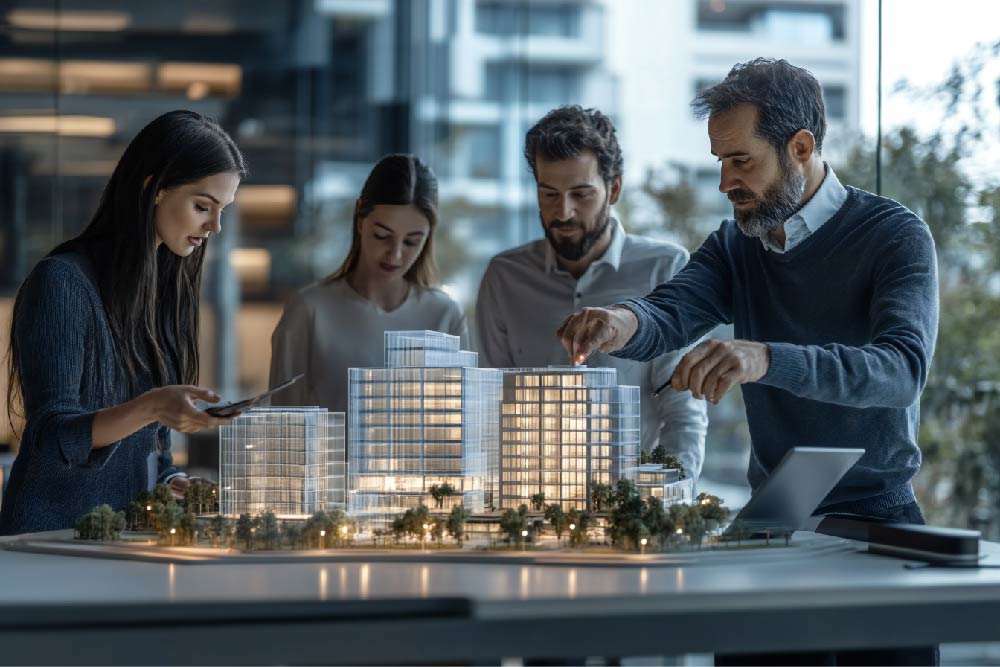
    Branded Residences vs Luxury Residences: What Sets Them Apart for Indian Buyers
    India’s high-end housing market is entering a more sophisticated phase, where both luxury residences and branded residences are being evaluated beyond location and size. Buyers are increasingly weighing service quality, asset longevity and global alignment as part of their decision-making. This evolution is most visible in the rise of branded residences, where international hospitality and lifestyle brands are reshaping the expectations around residential ownership.  India now ranks sixth globally in live branded residence projects, contributing nearly 4 percent to global supply, underscoring how quickly this segment is scaling. For Indian HNIs and UHNIs, the choice between a luxury residence and a branded residence is no longer about prestige alone, but about structure, performance and long-term value. Understanding what truly separates these two formats is essential before making a strategic residential investment decision. (The Economic Times)   What Defines a Luxury Residence in India  Luxury residences represent the traditional pinnacle of residential real estate. These homes are typically defined by location, scale, finishes and amenities, rather than an external brand association.  Key characteristics include: 
    • Prime locations within established city neighbourhoods 
    • Spacious layouts with high-end materials and custom interiors 
    • Lifestyle amenities such as clubhouses, landscaped gardens, pools and concierge desks 
    • Developer-led design and property management systems 
    Luxury residences offer comfort, privacy and prestige, especially when delivered by reputed developers. However, the experience, service quality and upkeep often depend on the developer’s long-term commitment. This variability is what sets the stage for the branded residential model.  What Makes a Branded Residence Distinct  Branded residences are residential developments affiliated with globally recognised hospitality or lifestyle brands. These could include luxury hotel operators, fashion houses or premium lifestyle brands that bring defined service and design standards into residential living.   Key differentiators include: 
    • Brand-led design guidelines ensuring consistency and global standards 
    • Hotel-style services such as housekeeping, concierge, valet and wellness access 
    • Professionally managed operations with brand oversight 
    • Stronger global appeal among NRIs and international buyers 
    According to Knight Frank, branded residences even command a 30 to 35 percent premium over comparable non-branded luxury homes, driven by service integration, design quality and long-term maintenance discipline. (Business Standard)   Now that the definitions are clear, the next question is how these differences translate into everyday ownership.  Living Experience: Lifestyle vs Service Ecosystem  The lived experience is where the distinction becomes most tangible. In luxury residences, lifestyle amenities enhance daily living, but service delivery often remains limited or outsourced. In contrast, branded residences operate as integrated service ecosystems.  Key contrasts include: 
    • Service consistency delivered by brand-managed teams 
    • Maintenance quality aligned with international benchmarks 
    • Resident experience driven by hospitality standards 
    • Privacy preserved alongside professional service 
    For buyers who value predictability and global living standards, branded residences offer a more structured and dependable experience. This naturally leads to differences in investment behaviour as well.  Investment Performance and Value Retention  From an investment standpoint, the difference is clearer. Luxury residences generally track location-led appreciation and perform well in mature micro-markets, but resale outcomes and rental consistency often depend on how well a project is maintained over time.  Branded residences, by contrast, tend to show stronger resilience. Their structured management, consistent service standards, and global brand association help preserve asset quality and pricing integrity across market cycles. This combination of governance and brand discipline often allows branded residences to outperform conventional luxury homes, especially during market corrections. This performance advantage also links closely to leasing dynamics.  Pre-Leased Demand and Rental Depth  Pre-leased and rental-ready assets are increasingly important for HNIs seeking income visibility alongside capital appreciation. In luxury residences, leasing demand is often fragmented and depends on location and unit configuration. Branded residences, however, attract structured leasing demand.  Key leasing advantages include: 
    • Corporate leasing from multinational firms and diplomatic missions 
    • Higher rental premiums justified by service inclusion 
    • Faster tenant absorption due to brand recognition 
    • Longer lease tenures and lower vacancy risk 
    This makes branded residences particularly attractive for investors prioritising predictable cash flows, especially in global-facing cities such as Mumbai, Delhi NCR, Bengaluru and emerging branded hubs in Pune. As the comparison sharpens, the final decision often comes down to buyer intent.  Choosing What Aligns With Your Investment Strategy  The choice between branded and luxury residences is not about superiority, but alignment. Luxury residences suit buyers who prioritise customisation, privacy and capital appreciation within familiar domestic markets. Branded residences appeal to those who value global standards, operational certainty and asset longevity. The key is matching the product to your lifestyle goals, liquidity horizon and portfolio strategy.  At SQUAREA, we offer curated access to India’s most refined properties, spanning both luxury and branded residential formats. For tailored investment guidance and strategic property selection, reach out at hello@squarea.io or call +91 90 9641 9641.