



Resale properties occupy a distinct niche in India’s housing market. They provide access to established micro-markets, immediate operational use, and, in certain cases, prime addresses where new supply is scarce or non-existent. For HNIs and UHNIs, these attributes translate into both strategic convenience and capital efficiency.
Yet beneath the surface, resale transactions can carry risks such as unclear titles, compliance gaps, unpaid dues, and underestimated renovation costs. To make sound decisions, investors need to approach resale acquisitions with the same diligence and discipline applied to large-scale allocations.
A sound decision depends on clear legal checks, the property’s condition, true ownership costs, and market liquidity. Here’s what you should carefully examine before committing capital:
A clean, marketable title is the foundation of any secure transaction. Review the full chain of title deeds and obtain an encumbrance certificate to confirm the property is free from mortgages or disputes. Where multiple transfers have taken place, gaps in records can appear. A professional title search by a real estate lawyer is strongly advised for high-value purchases.
Regulatory checks are critical, especially for older projects. Under Maharashtra’s RERA, over 29,000 complaints have been filed by buyers, with nearly 24,000 tied to pre-RERA projects and a resolution rate of about 74% (Hindustan Times).
Always verify RERA registration, ensure the sanctioned plan matches the constructed structure, and confirm occupancy and fire NOCs. A property backed by proper approvals protects both financing and long-term value.
Confirm that the seller has full legal authority to transact. Match PAN or Aadhaar details to the title deed and ensure all co-owners provide written consent. In case of inheritance, check probate or succession papers. Where minors are involved, court permissions are mandatory.
Go beyond the original sale deed and insist on a detailed Agreement to Sell covering inclusions, handover timelines, indemnities, and penalties. Factor in stamp duty, registration, and society transfer fees, ensuring all documents are correctly recorded.
Resale homes often carry legacy liabilities like unpaid taxes, utility bills, or maintenance charges. Always obtain a No-Dues Certificate from the society and written confirmations from municipal and utility authorities. Record meter readings at handover so outstanding consumption does not become your liability. Ensuring financial closure at this stage avoids unnecessary disputes later.
Time and use leave their mark on any property. Structural cracks, outdated wiring, or waterproofing issues can demand significant expenditure. HNIs and UHNIs should budget realistically for upgrades. An independent audit by an engineer or architect helps surface hidden risks across the structure, MEP systems, and safety features. This allows you to create a clear CapEx plan that aligns the property with modern standards while protecting long-term value.
Resale buyers enjoy tax benefits under Section 80C (₹1.5 lakh on principal repayment) and Section 24(b) (₹2 lakh on interest) (Income Tax Department). Alongside these, factor in higher maintenance in older societies, premium community charges, and periodic upgrade reserves. For financing, check lender policies as some restrict loans on very old or non-compliant assets.
Benchmark value using recent deals in the same project and cross-check with broker opinions. Factor in price differences between renovated and original units, and consider upcoming infrastructure that may drive demand. Align the property’s resale ease with your planned holding period, as prime compliant homes typically sell faster.
That said, when approached with discipline, resale properties offer clear advantages to both end-use buyers and long-term investors, combining immediate utility with strategic capital appreciation.
When assessed through this lens, resale is a strategic allocation. You gain immediate rental potential, avoid construction risk, and access coveted, fully built urban locations. For investors focused on wealth preservation and legacy, the combination of speed, location, and optionality can be compelling, provided diligence is uncompromising.
SQUAREA applies institutional discipline to every resale mandate so you acquire with clarity and exit with confidence.
This framework transforms resale acquisitions into informed, deliberate decisions that align with both performance and peace of mind. For tailored guidance and exclusive access to India’s most compelling resale opportunities, contact hello@squarea.io or call +91 90 9641 9641.
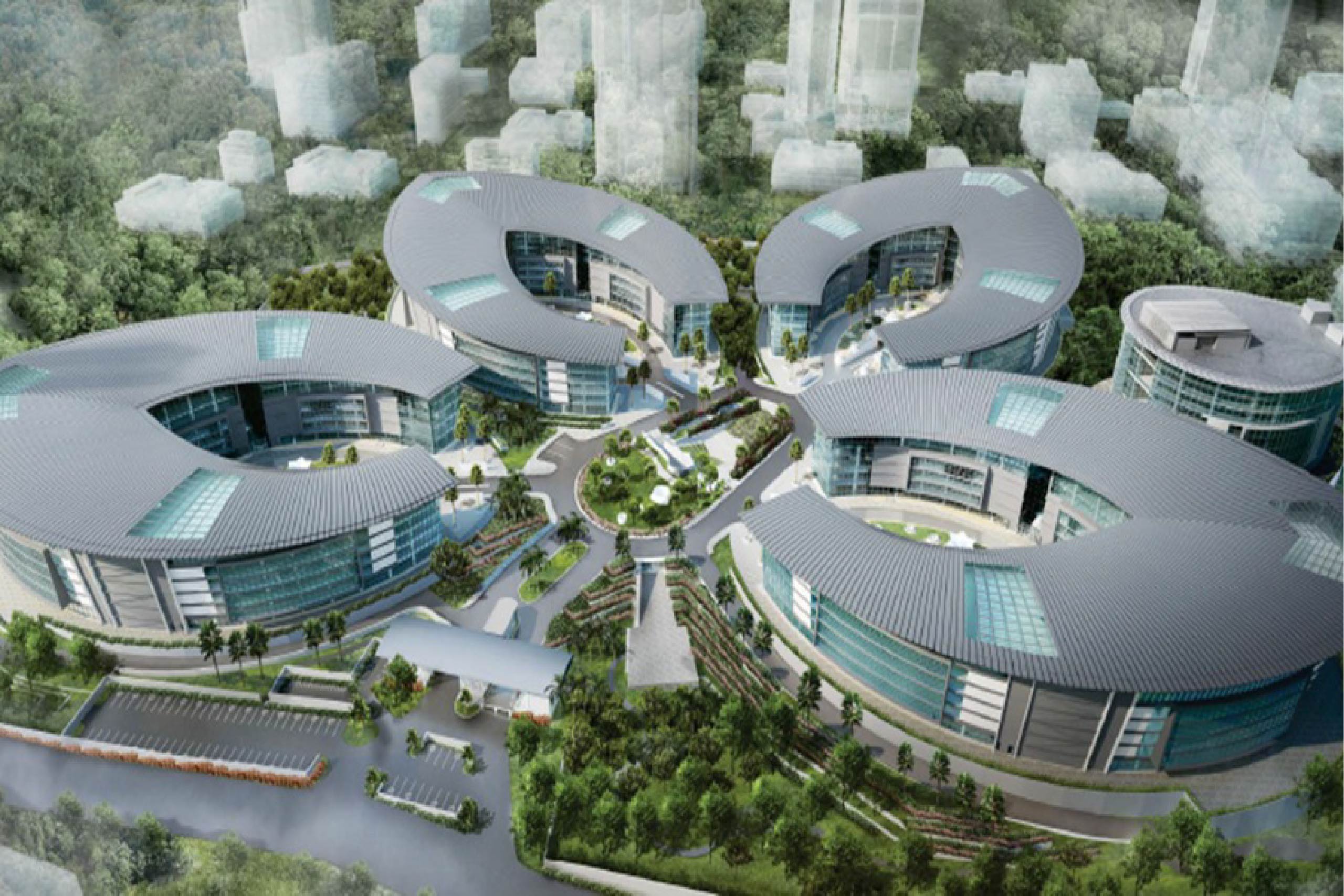
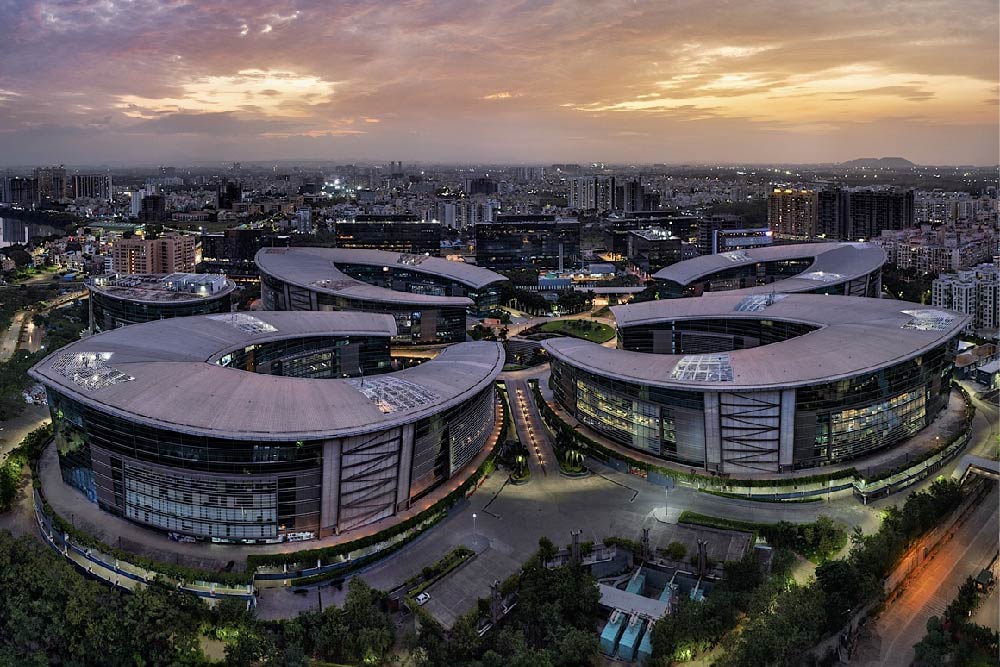 In a micro-market like Kharadi, near-possession launches are attracting first-time buyers and investors alike, while ready-to-move-in inventory continues to command a premium for immediate occupancy. Six years ago, around 2019–2020, 2-BHK apartments in Kharadi typically ranged between ₹55 lakh and ₹80 lakh, depending on proximity to major office hubs, developer reputation, and amenities. Today, the same configuration largely falls within the ₹85 lakh to ₹1.25+ crore bracket.
The area has witnessed meaningful appreciation, with current residential values generally ranging between ₹10,000 and ₹15,000 per sq.ft, compared to roughly ₹7,000 per sq.ft about six years ago, reflecting rapid growth supported by IT-led demand and infrastructure development.
Kharadi is also one of the few neighbourhoods in Pune that offers a unified residential journey within the same micro-market. Buyers can enter through compact studios priced around ₹45 lakh, move into 2-BHK homes in the ₹85 lakh to ₹1.25 crore range, and gradually upgrade to larger typologies such as 3, 3.5, and 4-BHK residences or penthouses priced between ₹3 crore and ₹10 crore. At the top end, international-style villas are available in the ₹14 crore to ₹35 crore range.
The micro-market continues to attract developer interest as well, with new supply being planned to cater to evolving demand. Notable among the upcoming developments is a new launch by Godrej Properties in Kharadi, expected to offer 2, 3, and 4-BHK homes. The entry of established developers at scale typically signals long-term confidence in a location and contributes to the overall strengthening of the residential market.
In a micro-market like Kharadi, near-possession launches are attracting first-time buyers and investors alike, while ready-to-move-in inventory continues to command a premium for immediate occupancy. Six years ago, around 2019–2020, 2-BHK apartments in Kharadi typically ranged between ₹55 lakh and ₹80 lakh, depending on proximity to major office hubs, developer reputation, and amenities. Today, the same configuration largely falls within the ₹85 lakh to ₹1.25+ crore bracket.
The area has witnessed meaningful appreciation, with current residential values generally ranging between ₹10,000 and ₹15,000 per sq.ft, compared to roughly ₹7,000 per sq.ft about six years ago, reflecting rapid growth supported by IT-led demand and infrastructure development.
Kharadi is also one of the few neighbourhoods in Pune that offers a unified residential journey within the same micro-market. Buyers can enter through compact studios priced around ₹45 lakh, move into 2-BHK homes in the ₹85 lakh to ₹1.25 crore range, and gradually upgrade to larger typologies such as 3, 3.5, and 4-BHK residences or penthouses priced between ₹3 crore and ₹10 crore. At the top end, international-style villas are available in the ₹14 crore to ₹35 crore range.
The micro-market continues to attract developer interest as well, with new supply being planned to cater to evolving demand. Notable among the upcoming developments is a new launch by Godrej Properties in Kharadi, expected to offer 2, 3, and 4-BHK homes. The entry of established developers at scale typically signals long-term confidence in a location and contributes to the overall strengthening of the residential market.
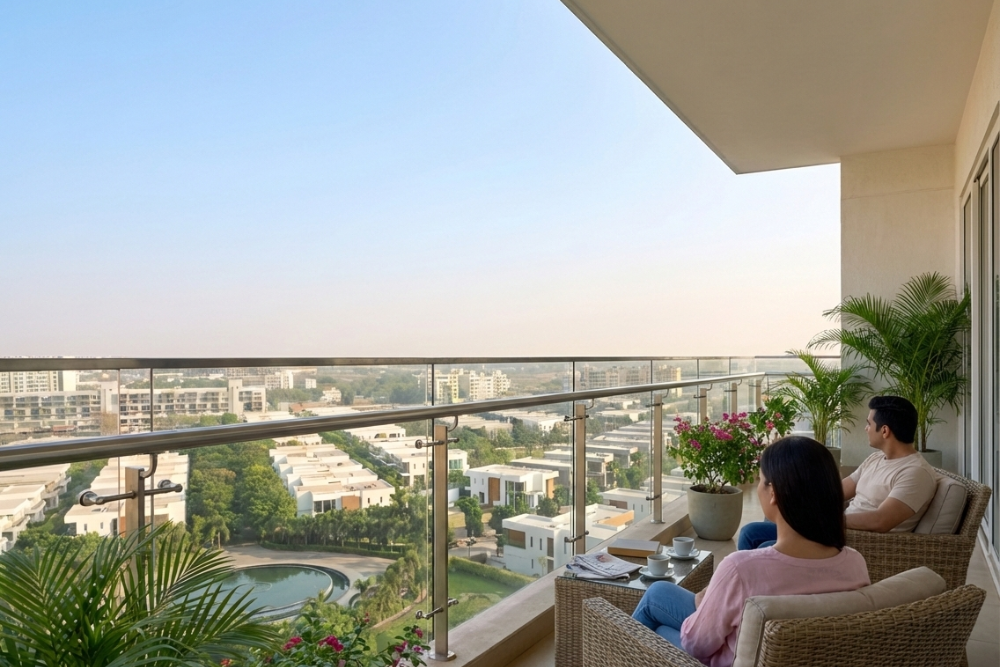 Kharadi’s growth is being shaped by fundamentals rather than short-term momentum. Strong employment visibility, improving infrastructure, sustained developer interest, and a wide range of residential options continue to support long-term housing demand.
For buyers evaluating 2-BHK homes with stable rental income, capital appreciation potential, and resale flexibility, Kharadi remains one of East Pune’s more dependable residential investment micro-markets.
To learn more, connect with us at hello@squarea.io or call +91 90 9641 9641.
Kharadi’s growth is being shaped by fundamentals rather than short-term momentum. Strong employment visibility, improving infrastructure, sustained developer interest, and a wide range of residential options continue to support long-term housing demand.
For buyers evaluating 2-BHK homes with stable rental income, capital appreciation potential, and resale flexibility, Kharadi remains one of East Pune’s more dependable residential investment micro-markets.
To learn more, connect with us at hello@squarea.io or call +91 90 9641 9641.