



Luxury property investment continues to be one of the most preferred investment avenues for Non-Resident Indians (NRIs). From luxury apartments in Mumbai to second homes in Goa, property ownership in India offers both emotional and financial value. Yet, the real returns lie not just in appreciation, but in understanding taxation, repatriation, and compliance.
With India’s evolving tax ecosystem, NRIs can now manage property-related earnings efficiently, provided they structure transactions with foresight. This guide explains how NRI taxation for real estate investment in India works and how to manage property ownership, sales, and fund repatriation efficiently.
Understanding How NRI Taxation Works
Taxation for NRIs in India is straightforward – only income earned, accrued, or received in India is taxable. Income earned abroad and retained overseas is not taxed in India (HSBC).
For real estate, taxable income typically includes:
This framework ensures transparency while preventing double taxation when combined with India’s Double Taxation Avoidance Agreements (DTAA). Once an NRI earns income from property, the next step is understanding how that income is taxed – starting with rent.
Tax on Rental Income for NRIs
When an NRI rents out property in India, the tenant is legally required to deduct tax at source (TDS). The rate is 30% (plus surcharge and cess, capped at around 39%) under Section 195 of the Income Tax Act. (ICICI Bank)
NRIs can claim deductions on:
Rental income is typically routed through an NRO account and can be repatriated once all applicable taxes are settled. If the NRI resides in a country with a DTAA, they can claim a credit for taxes paid in India in their country of residence, ensuring the same income isn’t taxed twice. Once the rental aspect is managed, the next stage where taxation applies is during the property sale.
Tax on Sale of Property: Short Term vs Long Term
When an NRI sells property in India, the tax treatment depends on how long the asset was held.
Indexation adjusts the purchase cost for inflation, reducing the effective tax burden on older assets. The buyer is required to deduct TDS before making payment, though the NRI seller can apply for a lower or nil TDS certificate if the actual tax liability is lower. With the sale completed, the next question most NRIs face is how to transfer the sale proceeds abroad legally.
Repatriation Of Sale Proceeds
Repatriation refers to transferring money from India to an overseas account after a sale. It is regulated by the Reserve Bank of India (RBI) under the Foreign Exchange Management Act (FEMA). An NRI can typically repatriate up to USD 1 million per financial year from India after fulfilling tax obligations. (ClearTax)
To repatriate sale proceeds, the following must be in place:
Repatriation done through official banking channels ensures compliance and protects investors from regulatory hurdles in the future. Once compliance is ensured, tax efficiency becomes the next strategic step.
How To Optimise Tax Efficiency
Smart structuring can significantly reduce tax outflow while improving liquidity. NRIs can optimise their returns through:
When these provisions are aligned early, they help maximise net yield and ease future fund movement. However, compliance remains the cornerstone of sustainable investment success.
Compliance Checklist For NRIs
Taxation for NRIs isn’t complex, but it demands discipline. Key compliance requirements include:
These steps ensure transparency and prevent delays in refunds, repatriation, or scrutiny. Ultimately, compliance isn’t just regulatory – it’s strategic, enhancing confidence among lenders, buyers, and tax authorities alike.
Aligning Taxation With Wealth Strategy
For NRIs, taxation is a part of an integrated wealth strategy. Real estate in India can serve multiple purposes: steady rental yield, capital growth, and diversification against global market volatility. Structuring ownership, timing sales efficiently, and planning repatriation well in advance turn real estate from a static holding into a dynamic asset. As global capital mobility increases, NRIs who manage compliance proactively stand to benefit from both stability and scalability.
At SQUAREA, a luxury real estate advisory, we simplify NRI real estate investments, right from acquisition to exit. Our advisory services help investors navigate taxation, repatriation, and structuring with clarity and precision. Each property in our portfolio is pre-assessed for regulatory compliance and long-term growth potential. For tailored investment guidance, reach us at hello@squarea.io or call +91 90 9641 9641.
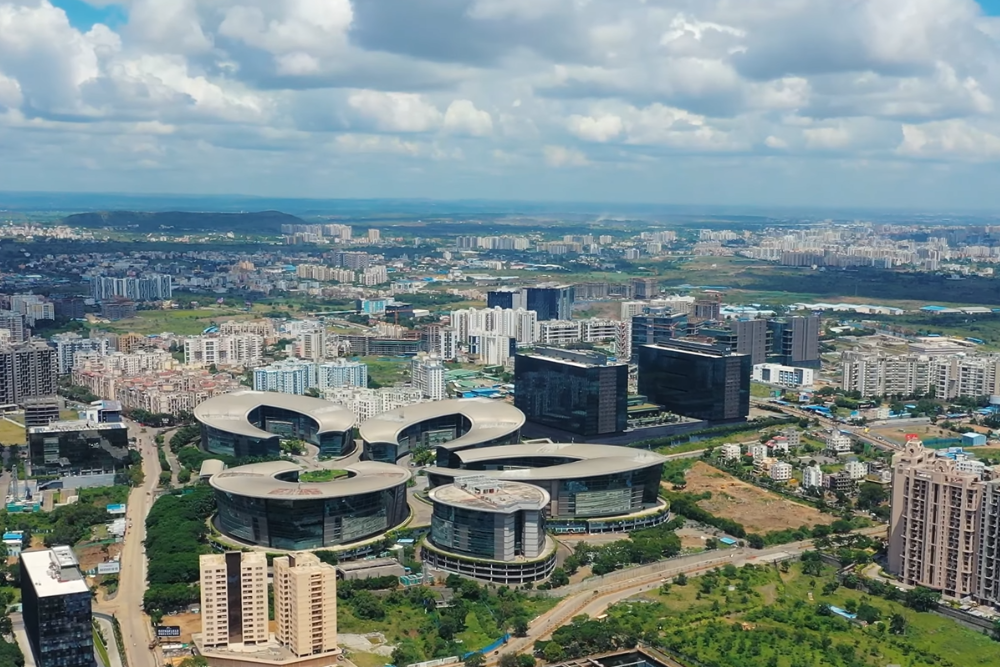
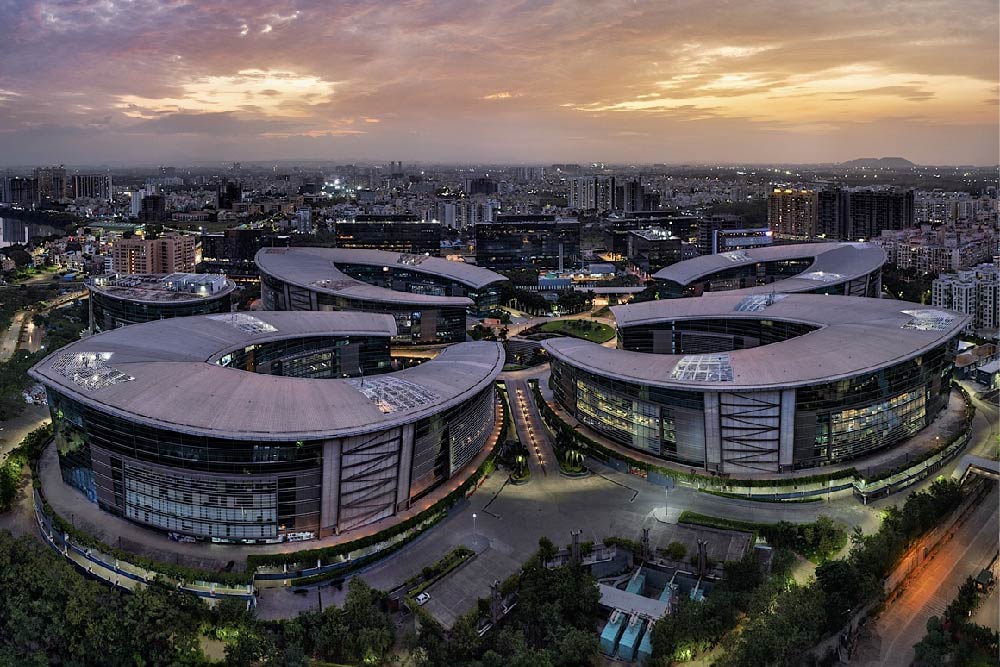 In a micro-market like Kharadi, near-possession launches are attracting first-time buyers and investors alike, while ready-to-move-in inventory continues to command a premium for immediate occupancy. Six years ago, around 2019–2020, 2-BHK apartments in Kharadi typically ranged between ₹55 lakh and ₹80 lakh, depending on proximity to major office hubs, developer reputation, and amenities. Today, the same configuration largely falls within the ₹85 lakh to ₹1.25+ crore bracket.
The area has witnessed meaningful appreciation, with current residential values generally ranging between ₹10,000 and ₹15,000 per sq.ft, compared to roughly ₹7,000 per sq.ft about six years ago, reflecting rapid growth supported by IT-led demand and infrastructure development.
Kharadi is also one of the few neighbourhoods in Pune that offers a unified residential journey within the same micro-market. Buyers can enter through compact studios priced around ₹45 lakh, move into 2-BHK homes in the ₹85 lakh to ₹1.25 crore range, and gradually upgrade to larger typologies such as 3, 3.5, and 4-BHK residences or penthouses priced between ₹3 crore and ₹10 crore. At the top end, international-style villas are available in the ₹14 crore to ₹35 crore range.
The micro-market continues to attract developer interest as well, with new supply being planned to cater to evolving demand. Notable among the upcoming developments is a new launch by Godrej Properties in Kharadi, expected to offer 2, 3, and 4-BHK homes. The entry of established developers at scale typically signals long-term confidence in a location and contributes to the overall strengthening of the residential market.
In a micro-market like Kharadi, near-possession launches are attracting first-time buyers and investors alike, while ready-to-move-in inventory continues to command a premium for immediate occupancy. Six years ago, around 2019–2020, 2-BHK apartments in Kharadi typically ranged between ₹55 lakh and ₹80 lakh, depending on proximity to major office hubs, developer reputation, and amenities. Today, the same configuration largely falls within the ₹85 lakh to ₹1.25+ crore bracket.
The area has witnessed meaningful appreciation, with current residential values generally ranging between ₹10,000 and ₹15,000 per sq.ft, compared to roughly ₹7,000 per sq.ft about six years ago, reflecting rapid growth supported by IT-led demand and infrastructure development.
Kharadi is also one of the few neighbourhoods in Pune that offers a unified residential journey within the same micro-market. Buyers can enter through compact studios priced around ₹45 lakh, move into 2-BHK homes in the ₹85 lakh to ₹1.25 crore range, and gradually upgrade to larger typologies such as 3, 3.5, and 4-BHK residences or penthouses priced between ₹3 crore and ₹10 crore. At the top end, international-style villas are available in the ₹14 crore to ₹35 crore range.
The micro-market continues to attract developer interest as well, with new supply being planned to cater to evolving demand. Notable among the upcoming developments is a new launch by Godrej Properties in Kharadi, expected to offer 2, 3, and 4-BHK homes. The entry of established developers at scale typically signals long-term confidence in a location and contributes to the overall strengthening of the residential market.
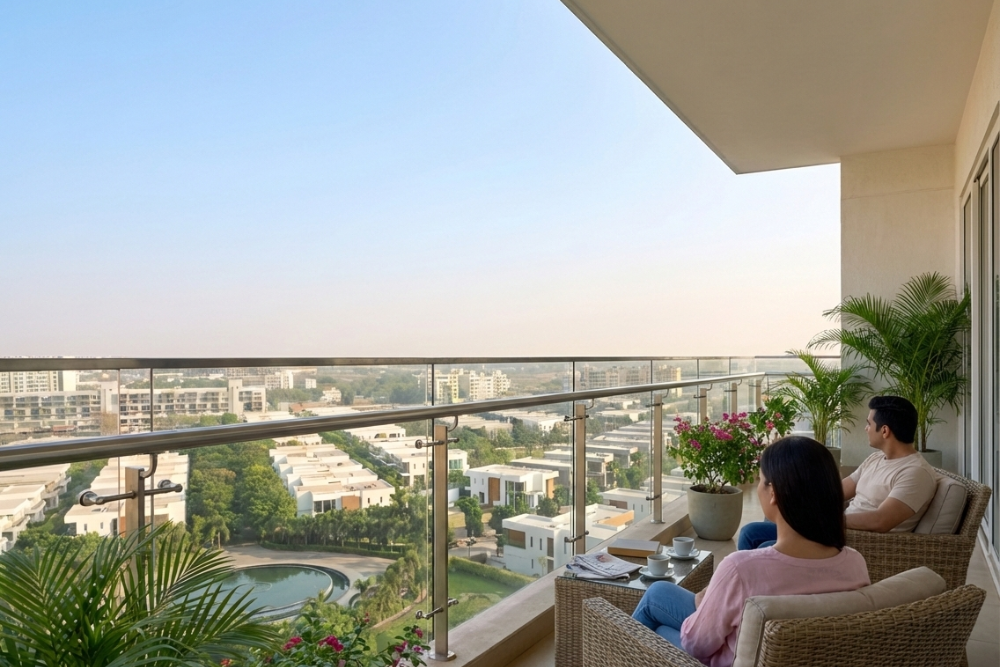 Kharadi’s growth is being shaped by fundamentals rather than short-term momentum. Strong employment visibility, improving infrastructure, sustained developer interest, and a wide range of residential options continue to support long-term housing demand.
For buyers evaluating 2-BHK homes with stable rental income, capital appreciation potential, and resale flexibility, Kharadi remains one of East Pune’s more dependable residential investment micro-markets.
To learn more, connect with us at hello@squarea.io or call +91 90 9641 9641.
Kharadi’s growth is being shaped by fundamentals rather than short-term momentum. Strong employment visibility, improving infrastructure, sustained developer interest, and a wide range of residential options continue to support long-term housing demand.
For buyers evaluating 2-BHK homes with stable rental income, capital appreciation potential, and resale flexibility, Kharadi remains one of East Pune’s more dependable residential investment micro-markets.
To learn more, connect with us at hello@squarea.io or call +91 90 9641 9641.