



Stamp duty is a tax levied by state governments in India on various real estate transactions, such as property purchases, lease agreements, and mortgage deeds. The primary purpose of stamp duty in India is to validate and legalize these documents, ensuring their authenticity and enforceability in the eyes of the law. This essential tax plays a crucial role in revenue generation for the state governments and is a significant cost consideration for individuals and businesses involved in property transactions. Understanding the state-wise stamp duty rates and regulations is vital for anyone looking to navigate the complex landscape of real estate transactions in India.
What is stamp duty in real estate? It serves as a legal instrument to make documents legally valid and enforceable. Essentially, it acts as a revenue-generating mechanism for the government and ensures the authenticity of transactions. When discussing what stamp duty and registration charges are, remember that they are crucial for validating property transactions. Stamp duty is like the official notary of the paperwork world.
Stamp duty and registration charges vary across different states in India and can significantly impact the cost of property transactions. Understanding these state-wise stamp duty rates is crucial for anyone entering the real estate market, as they can make or break a deal. Knowing property registration charges in India is equally important for calculating the overall cost.
Several factors influence stamp duty in India, including the property type, transaction value, and even the economic conditions prevailing in a particular state. For example, non-residential property registration charges in India might differ significantly from residential property. It’s essential to be aware of these varying stamp duty levels for different kinds of real estate deals.
Comparing state-wise stamp duty rates across major states can provide valuable insights into the cost of property transactions. This is akin to window shopping for property registration charges in India — you get to see the price tags in different states without actually having to pay upfront.
When it comes to stamp duty and registration charges, it’s not just about the property type and transaction value. Government policies and economic conditions also play a significant role in determining how much you’ll have to pay. Being familiar with duty stamp fees in different states helps in making informed decisions.
Whether you’re buying a cozy apartment or a sprawling villa, the type of property and its transaction value can have a direct impact on stamp duty charges. For instance, the registration fee for house purchases may vary depending on the location and size of the property.
Government policies and economic conditions can shape stamp duty and registration charges, making them fluctuate. Monitoring these factors helps in understanding what stamp duty in real estate is and how it may affect your real estate investment.
Delving into the nitty-gritty of state-wise stamp duty rates can reveal valuable insights for property buyers and sellers. For example, states like Maharashtra and Delhi may have different property registration charges in India, impacting your transaction costs significantly.
Stamp duty in India varies by state and can have a significant impact on property transactions, influencing buyer behavior and market dynamics. Higher rates of non-residential stamp duty and registration charges may deter investment in certain states, while lower rates can stimulate demand.
Over the years, India has seen various modifications in stamp duty and registration charges. Understanding these trends helps in anticipating how changes in stamp duty in India can shape property transactions.
Staying updated on the latest stamp duty in real estate is essential for smooth property transactions. Emerging trends show that the government may soon introduce digital methods for paying duty stamp fees.
Understanding the legal avenues to minimize registration fees for house and non-residential stamp duty charges can result in significant cost savings.
Practical tips such as conducting thorough research and exploring potential exemptions can aid in negotiating favorable stamp duty and registration charges.
In conclusion, analyzing the state-wise stamp duty rates in India provides valuable insights for stakeholders in the real estate market. By understanding and adapting to trends in stamp duty in India and property registration charges in India, individuals and businesses can better navigate the complexities of stamp duty in real estate and optimize their financial strategies in the property sector.
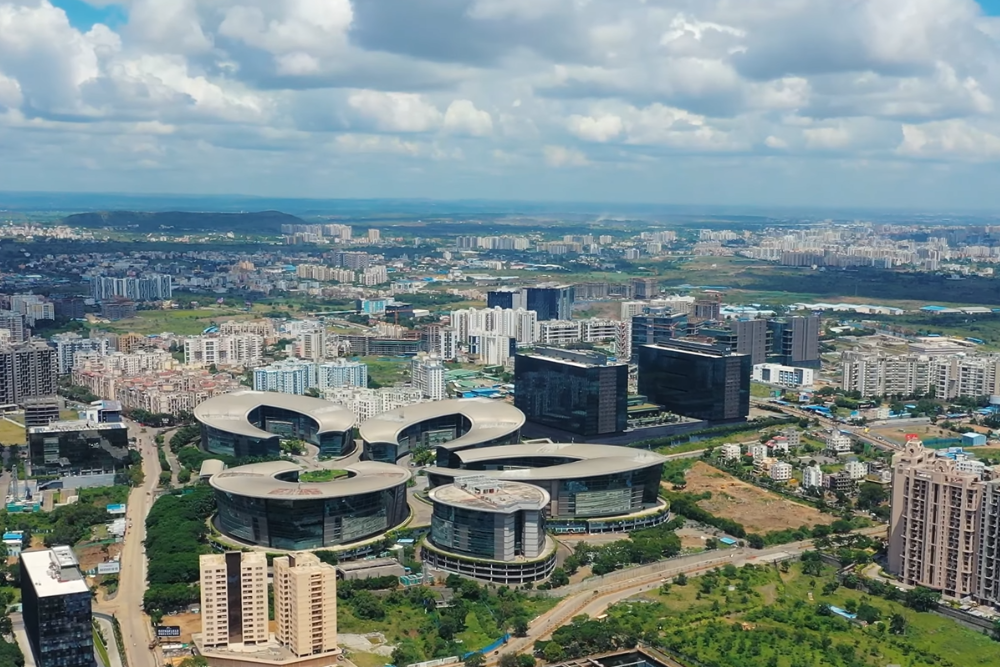
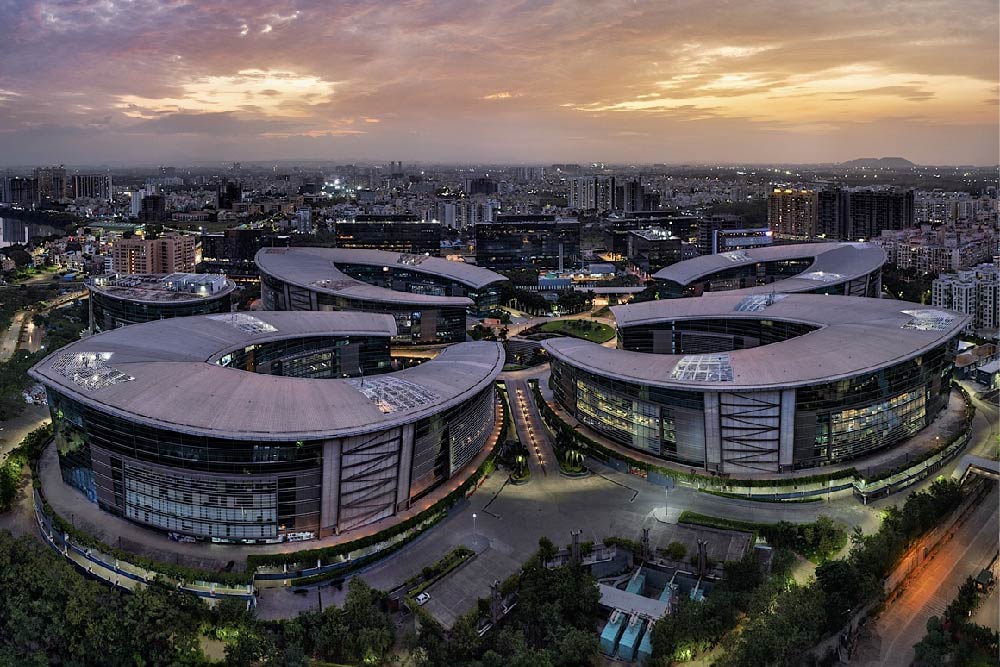 In a micro-market like Kharadi, near-possession launches are attracting first-time buyers and investors alike, while ready-to-move-in inventory continues to command a premium for immediate occupancy. Six years ago, around 2019–2020, 2-BHK apartments in Kharadi typically ranged between ₹55 lakh and ₹80 lakh, depending on proximity to major office hubs, developer reputation, and amenities. Today, the same configuration largely falls within the ₹85 lakh to ₹1.25+ crore bracket.
The area has witnessed meaningful appreciation, with current residential values generally ranging between ₹10,000 and ₹15,000 per sq.ft, compared to roughly ₹7,000 per sq.ft about six years ago, reflecting rapid growth supported by IT-led demand and infrastructure development.
Kharadi is also one of the few neighbourhoods in Pune that offers a unified residential journey within the same micro-market. Buyers can enter through compact studios priced around ₹45 lakh, move into 2-BHK homes in the ₹85 lakh to ₹1.25 crore range, and gradually upgrade to larger typologies such as 3, 3.5, and 4-BHK residences or penthouses priced between ₹3 crore and ₹10 crore. At the top end, international-style villas are available in the ₹14 crore to ₹35 crore range.
The micro-market continues to attract developer interest as well, with new supply being planned to cater to evolving demand. Notable among the upcoming developments is a new launch by Godrej Properties in Kharadi, expected to offer 2, 3, and 4-BHK homes. The entry of established developers at scale typically signals long-term confidence in a location and contributes to the overall strengthening of the residential market.
In a micro-market like Kharadi, near-possession launches are attracting first-time buyers and investors alike, while ready-to-move-in inventory continues to command a premium for immediate occupancy. Six years ago, around 2019–2020, 2-BHK apartments in Kharadi typically ranged between ₹55 lakh and ₹80 lakh, depending on proximity to major office hubs, developer reputation, and amenities. Today, the same configuration largely falls within the ₹85 lakh to ₹1.25+ crore bracket.
The area has witnessed meaningful appreciation, with current residential values generally ranging between ₹10,000 and ₹15,000 per sq.ft, compared to roughly ₹7,000 per sq.ft about six years ago, reflecting rapid growth supported by IT-led demand and infrastructure development.
Kharadi is also one of the few neighbourhoods in Pune that offers a unified residential journey within the same micro-market. Buyers can enter through compact studios priced around ₹45 lakh, move into 2-BHK homes in the ₹85 lakh to ₹1.25 crore range, and gradually upgrade to larger typologies such as 3, 3.5, and 4-BHK residences or penthouses priced between ₹3 crore and ₹10 crore. At the top end, international-style villas are available in the ₹14 crore to ₹35 crore range.
The micro-market continues to attract developer interest as well, with new supply being planned to cater to evolving demand. Notable among the upcoming developments is a new launch by Godrej Properties in Kharadi, expected to offer 2, 3, and 4-BHK homes. The entry of established developers at scale typically signals long-term confidence in a location and contributes to the overall strengthening of the residential market.
 Kharadi’s growth is being shaped by fundamentals rather than short-term momentum. Strong employment visibility, improving infrastructure, sustained developer interest, and a wide range of residential options continue to support long-term housing demand.
For buyers evaluating 2-BHK homes with stable rental income, capital appreciation potential, and resale flexibility, Kharadi remains one of East Pune’s more dependable residential investment micro-markets.
To learn more, connect with us at hello@squarea.io or call +91 90 9641 9641.
Kharadi’s growth is being shaped by fundamentals rather than short-term momentum. Strong employment visibility, improving infrastructure, sustained developer interest, and a wide range of residential options continue to support long-term housing demand.
For buyers evaluating 2-BHK homes with stable rental income, capital appreciation potential, and resale flexibility, Kharadi remains one of East Pune’s more dependable residential investment micro-markets.
To learn more, connect with us at hello@squarea.io or call +91 90 9641 9641.